
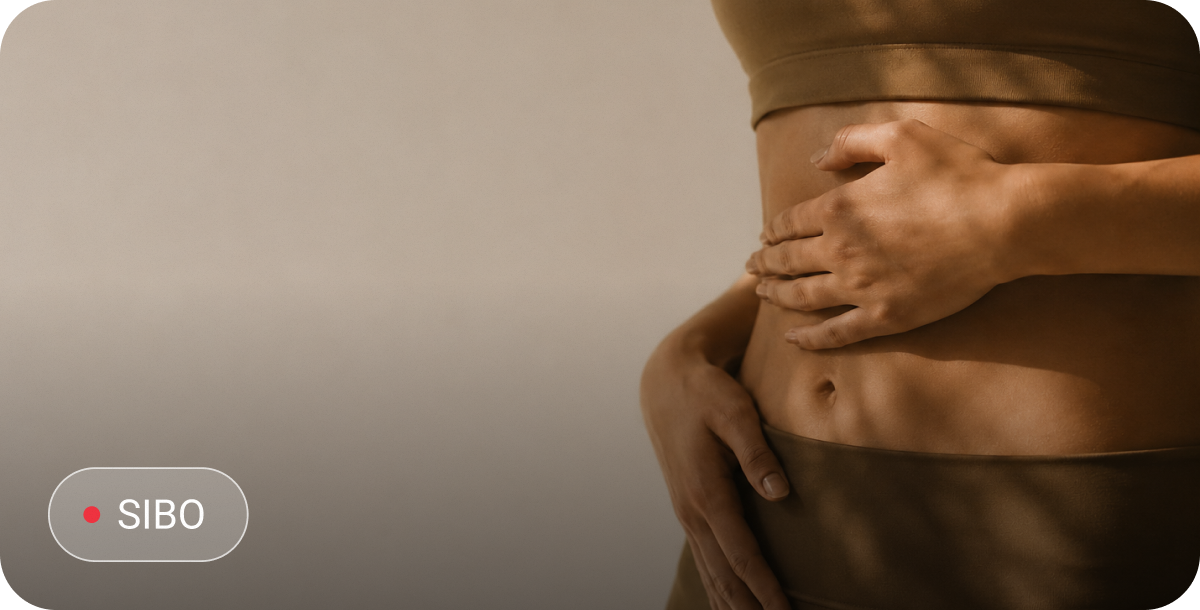
The bloating, the gas, heavy digestions or alterations of the intestinal transit are nuisance frequent that may have different causes. One of them is bacterial overgrowth in the small intestine-known as SIBO.
To investigate the possible presence, one of the most widely used tests is the breath test for SIBO, a simple and non-invasive procedure that allows you to analyze the gases produced by the intestinal microorganisms.
But how is the test of SIBO? Do I have to go to a lab? What you can do at home? How long does it last?
Here we explain step by step what is the test, how it is collected breath samples, and what information they provide their results.
What is the name of the test for SIBO, and what does it measure?
The test most widely used to study the bacterial overgrowth in the small intestine is known as breath test for SIBOtesting of air exhaled or test of hydrogen and methane.
The SIBO (Small Intestinal Bacterial Overgrowth) occurs when there is an abnormal increase in the number of bacteria or an alteration of its composition in the small intestine.
This imbalance can cause digestive symptoms, such as bloating, gas, abdominal pain, diarrhea, or, in certain cases, alterations in the absorption of nutrients.
The breath test allows you to investigate this possible overgrowth by measuring two gases:
- Hydrogen (H₂): produced during the fermentation of certain carbohydrates by intestinal bacteria.
- Methane (CH₄): generated primarily by intestinal microorganisms called archaea metanógenas, whose activity can be related to constipation.
These gases pass into the blood and subsequently eliminated through the breath, so it can be measured by analyzing samples of exhaled air.
The test consists of ingesting a solution with a specific substrate and collect breath samples at regular intervals to observe how changing the concentrations of hydrogen and methane.
This information helps to detect patterns consistent with bacterial overgrowth or with an excess of microorganisms producers of methane.
Before the test: preparation and fasting
For the results to be reliable, it is critical to correctly follow instructions for preparation.
The power supply, certain medications, and some habits can modify the production of intestinal gas and affect the interpretation of the test.
For this reason, before you perform the test of SIBO is necessary to take into account some recommendations:
- Medications: certain treatments, such as antibiotics, laxatives or drugs that modify intestinal motility, may interfere with the results. It is important to report any medication and consult the specific instructions prior to the test.
- Power: during the previous 24 hours and should follow a specific diet that limits foods that promote intestinal fermentation.
- Fasting: it is necessary to turn on an empty stomach. In the Analyses is set to a 12-hour fast, during which only allows you to drink water.
- Tobacco and exercise: should be avoided before and during the test, following the instructions of the lab.
It is also important to report if they have recently done other tests digestive or if you have suffered an acute gastroenteritis.
To correctly follow these guidelines, it is essential to get results interpretable.
You can check out all the directions in the paragraph ‘Preparing’ tab of the Test SIBO Analyzes or reading our post on how to prepare for the breath test
How is the breath test for SIBO, step-by-step
The test for SIBO is simple, does not require extraction of blood or invasive procedures and is carried out through the collection of different samples of exhaled air.
Although the protocol may vary according to the laboratory and the substrate used, the general procedure is as follows.
Baseline sample of breath fasting
The first step is to collect a sample of exhaled air before ingesting any substance.
This first sample is called baseline sample and allows to know the initial concentrations of hydrogen and methane.
The values obtained will serve as a reference to compare subsequent measurements.
It is important to have respected the fast and the indications of preparation to prevent the fermentation activity prior to interfere in the result.
Decision of the substrate
Once collected, the initial sample, given a solution that contains a specific substrate.
The most commonly used in breath tests for SIBO are glucose, lactulose, and lactitolalthough there are protocols that is used by other substrates.
The glucose is absorbed primarily in the proximal part of the small intestine, while the lactulose and lactitol are not absorbed, and continue your journey through the intestine.
These differences influence the way in which they occur, and interpret the gases during the test.
In the case of the breath test of Analyses, we use lactitol, a substrate that practically not absorbed in the small intestineso that you can move along it and enter in contact with microorganisms located in areas more distal.
Collection of breath samples at intervals
After ingesting the solution begins the collection of samples of exhaled air.
The patient should be blowing in the collection devices by following the instructions provided by the laboratory.
The samples are obtained at regular intervals for several hours, allowing you to see how changing the concentrations of gases as the substrate moves through the digestive system.
During this time, it is important to stay at rest and follow the indications of the procedure, avoiding eating, smoking, chewing gum, or exercise.
The test does not require any invasive procedure and, after collection, the samples were sent to the laboratory for analysis.
Measurement of hydrogen and methane in the laboratory
The samples collected are analyzed to measure the concentration of hydrogen and methane present in the exhaled air.
The lab compares the values obtained in the different stages of the test, and studying how they evolve with respect to the baseline sample.
An early rise in the hydrogen can be compatible with bacterial overgrowth in the small intestine.
For its part, the presence of high concentrations of methane may indicate overgrowth of microorganisms producing this gas, known as overgrowth intestinal methanogens (IMO).
Although both situations can cause digestive symptoms, they are not exactly the same.
The interpretation should take into account the type of substrate used, the time in which they occur, the elevations, and the clinical situation of the patient.
How long is the test of SIBO?
The duration depends on the protocol used, and the number of samples needed to pick up.
In general, the breath test for SIBO can last between two and three hours, although some procedures require more time.
In Analyses, the test of SIBO has an approximate duration of three hours.
During this period you can make various collected from exhaled air, so it is important to reserve enough time to complete all the procedure.
Once the test is completed, the samples were analyzed in the laboratory and produces a report of the results.
In the Analyses, the results of the Test SIBO are available approximately in 9 days.
When and how to ask for a breath test for SIBO?
The test of SIBO can be useful when there are digestive discomfort persistent and you want to investigate a possible bacterial overgrowth.
Among the symptoms that can motivate your application are:
- Swelling or bloating frequent.
- Excess intestinal gas.
- Abdominal discomfort or pain.
- Recurrent diarrhea.
- Constipation persistent.
- A feeling of heaviness or digestion difficult.
It can also be assessed in people with certain digestive diseases or factors that favour the emergence of bacterial overgrowth.
However, these symptoms are not exclusive to SIBO and may appear in other disorders, such as irritable bowel syndrome, celiac disease or certain food intolerances.
In Analyses can acquire the Test SIBO directly through our online store.
The test can be done at home using a kit that is collected in one of our approved centres, or with the help of the health staff in the centres that offer this service.
You know the Test SIBO Analyzes and where you can do it.
How to interpret the test for SIBO
Once we have analysed the samples, the laboratory issued a report that sets out the concentrations of hydrogen and methane measurements during the test.
The results allow to identify certain patterns of fermentation in the gut, but should be interpreted taking into account the symptoms, the history and the characteristics of the patient.
Hydrogen or methane high: when the result is positive
A positive result indicates that we have detected gas concentrations compatible with a possible overgrowth of intestinal microorganisms.
One of the criteria used to identify SIBO is a increase of hydrogen of at least 20 parts per million (ppm) relative to the baseline during the first 90 minutes of the test.
In the case of methane, a concentration equal to or higher than 10 ppm at any time of the study, it can be compatible with overgrowth intestinal methanogens.
This latter finding relates especially with constipation.
However, the criteria of interpretation can vary depending on the protocol and must be applied taking into account the characteristics of the test.
A positive result should not be interpreted in isolation or imply that all the digestive symptoms are caused by SIBO.
A specialist can assess whether the results are compatible with the clinical situation and if it is necessary to establish a treatment or make other studies.
Result negative or inconclusive
A negative result means that you have not been observed elevations of gases that meet the criteria of positivity used in the test.
However, this does not rule out completely the SIBO.
There are different factors that can influence the results of the test, as well as the location of the possible overgrowth or certain features of the intestinal transit.
They can also be obtained inconclusive results when the preparation conditions have not been adequate or the recorded values complicate the interpretation.
In these cases, a specialist may recommend further study or to repeat the test, if deemed necessary.
Frequently asked questions on the test of exhaled air for SIBO
Can you get tested for SIBO at home?
Yes. Some breath test for SIBO allow the collection of samples at home using a specific kit.
In Analyses you can perform the Test for SIBO in your homepicking up previously the kit in one of the authorized centers.
The procedure is to follow the instructions for preparation, eating the right solution and collect the different samples of exhaled air in the devices provided.
Once the test, the samples are delivered by following the instructions of the laboratory for further analysis.
This mode allows you to perform the study without the need of spending several hours in a health centre.
It is essential to respect the time of collection and the instructions in the kit to ensure the validity of the samples.
Do the breath test is a nuisance?
The test for SIBO is a non-invasive procedure that is generally well tolerated.
Does not require needles, blood collection or scans instrumental of the digestive system.
The main discomfort is related to the duration of the procedure and the need to collect several samples of breath.
In some people, ingestion of the substrate can cause digestive discomfort, transient, such as bloating, gas or abdominal pain.
These disturbances are usually mild and go away on their own.
What you can eat or drink during the test?
No. During the test it is important to maintain the conditions indicated by the laboratory to avoid interference in the measurements.
In Analyses, the instructions state that during the test you should not eat or drink.
Do not smoke, chew gum, or perform physical exercise.
In addition, it is necessary to respect the previous fasting of 12 hours and the food recommendations of the previous 24 hours.
These measures help to avoid alterations in the production of gases that may affect the results.
Do you have to repeat the test after the treatment?
Not always.
The need to repeat the test for SIBO depends on the evolution of the symptoms, the treatment received or an assessment of the specialist.
In some cases, if digestive discomfort disappear after the treatment, it may not be necessary to perform a new study.
However, when symptoms persist or recur, it may be desirable to repeat the test or request additional scans to investigate its cause.
Make your Test SIBO with Scans
If you have digestive discomfort persistent and you need to investigate a possible intestinal bacterial overgrowth, the breath test can provide useful information to achieve your digestive comfort.
In Analyses we put at your disposal the SIBO Test, a non-invasive test that measures the concentrations of hydrogen and methane in the exhaled air.
You can buy it directly from our online store and make the samples are collected at home, using a kit, or one of our authorized service centers.
Discover the Test SIBO Analyzes and check where you can perform the test.