



OUR SERVICE
The area of Pathology Molecular of Analiza account with renowned professionals and a great experience in the field of molecular biology from the hospital. Focuses on the a genetic study of the disease with the goal of identifying molecular alterations in cells and tissues. This information allows tailor the treatments to the biological characteristics of the tumor, an essential step in the development of personalized medicine and in dealing with cancer.
By Next Generation Sequencing (NGS)Analiza performs analysis of high precision, able to detect specific biomarkers and relevant mutations in each cancer type. This approach makes possible the selection of targeted therapies, which provide higher response rates and reduce the side effects in comparison with conventional treatments.
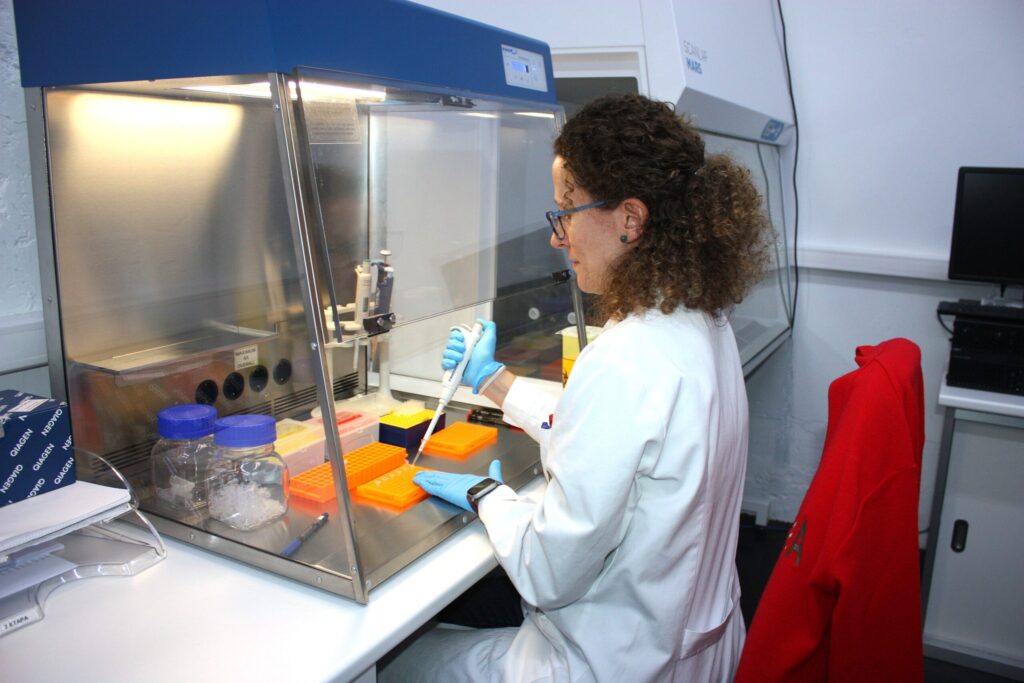
We collaborate with public administrations, official bodies and institutional entities in the management and provision of wide-ranging diagnostic and analytical services. lung cancerfor example, the NGS allows you to identify frequent mutations as EGFR, ALK or ROS1, as well as alterations of the less common also act as therapeutic targets. Similarly, in breast cancerthe molecular characterization includes biomarkers such as hormone receptors, HER2, BRCA1/2, PIK3CA or TP53, fundamental to select specific treatments, such as inhibitors of CDK4/6, PI3K, or targeted therapies emerging. The use of concept of liquid biopsy and tumor DNA circulating represents one of the most innovative trends, allowing the progression of the disease to be monitored non-invasively.
This approach also extends to tumors such as colon and melanoma, where the biomarker guide the molecular classification and therapeutic strategy most appropriate.
Thanks to NGS and other molecular biology methods, Analiza sets genetic profiles fullpromoting precision medicine tailored to each patient's individual biology, optimising clinical outcomes and improving the quality of care.